Cat translator technology has made it easier than ever to understand your cat sounds. Ever since technology advanced, people have wondered if translation is possible and it now seems to be achievable.
It does not matter if you are searching for a human to cat translator, a cat language interpreter or even a translator software, to understand different cat sounds; the options to choose are plenty.
The purpose of these devices is to help humans and cats understand each other better by interpreting different cat sounds – meows, purrs and deciphering their body movements. In this article, we will discuss which cat translators available today, how they function, and what the finest applications are, as well as how they can help you get closer to your feline companion.
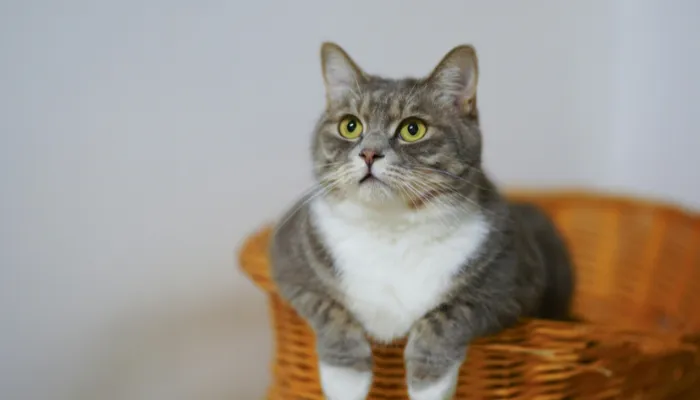
Cat Translator: Understand Your Cat
Cats are mysterious creatures, and their language is a complex mix of sounds, body language, and behaviors. A cat language translator is designed to help you decode these various cat sounds signals and understand what your cat is trying to communicate.
How Do Cats Communicate?
Cats use a variety of methods to express themselves, including:
- Meows: Different types of meows can mean different things, from hunger to a simple greeting.
- Purrs: Often a sign of contentment, but can also indicate pain or discomfort.
- Body Language: Tail position, ear movement, and posture can reveal a lot about a cat’s mood.
- Facial Expressions: Subtle changes in their eyes, whiskers, and mouth can convey emotions.
How Does a Cat Language Translator Work?
A cat language translator facilitates communication with cats by analyzing different cat sounds.
- Enhances Bonding: Assists in promoting understanding and interaction with one’s pet.
- Analyzes Meows: Measures changes in pitch, tone, and frequency to determine a cat’s intention.
- Uses Databases: Matches cat sounds to a catalog of different cat sounds that have already been recorded.
- AI Learning: A few of those devices adjust to the cat’s voice over time.
- Emotion & Needs Detection: Reveals when a cat desires food, requires attention, or is anxious.
While no tool can fully replace human observation and bonding, a cat language translator can provide valuable insights, making it easier to understand and connect with your feline friend.
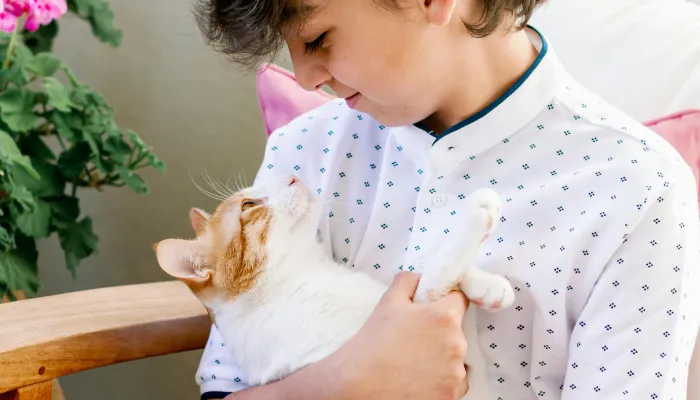
Cat Translator App: Top Tools for Cat Communication
If you’re looking for a convenient way to understand your cat sounds and body language, cat translator apps might be the perfect solution. These apps are designed to make feline communication accessible to everyone, whether you’re a seasoned cat owner or a first-time pet parent.
Here are some of the best cat translator apps available today:
| App Name | Features | Platform |
|---|---|---|
| Furlingo | Real-time meow translation, personalized cat profiles | iOS, Android |
| MeowTalk | Sound analysis, mood detection, and fun cat facts | iOS, Android |
| CatTok | Interactive games, voice recording, and translation | iOS |
| TalkToCat | Simple interface, basic meow decoding, and cat care tips | Android |
How to Use a Cat Translator App?
A translator app for a cat can try and make real sense of different cat sounds. This can make the process of communication much better. Here are steps to use it properly:
- Downloading the app: Look for an helpful app translator for a cat in the app section of your device and download it.
- Meows Input: Record the cat sounds through a pre-existing sound or in real time using your app’s came user audio capture feature.
- Let the app check the sound: The app will check the analyzed meow and pitch to an existing database where it has leads of previously stored cat sounds.
- A translation is provided: The app can provide you with details about your cat’s intended message, whether it be nutrition, love, or emergencies.
- Usefully Apply: It’s important to also take action to what has been provided and possibly learn to help meet the needs of your cat which leads to better interaction.
While no app can fully translate cat sounds, using a cat translator app can be a fun and insightful way to better understand your feline companion and strengthen your bond.
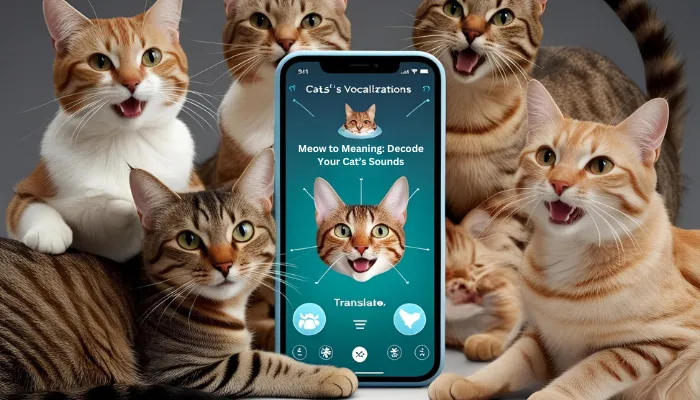
Human to Cat Translator: Communicate with Your Cat
The human to cat translator is a pet owners’ catalyst that strengthens the bond between humans and cats by attempting to talk to the cats in a way they would understand.
How Does a Human to Cat Translator Work?
These tools operate by ‘speaking’ to a cat in a language they can understand, allowing for humans to speak in what resembles the natural methods a cat uses to talk to each other. They work through:
- Translating human speech into cat sounds: These translators produce synthetic meows, chirps and other feline vocalizations to translate in a language that cats best understand.
- Using visual cues: Some tools use flashing lights, moving images, or even some simple gestures in an attempt to catch the arousal of a cat for the aim of expressing feelings and giving orders.
- Providing response feedback: Some advanced apps and devices observe the reaction of a cat to different sounds or cues, helping users understand what style of communication works best for the cat.
Benefits of Using a Human to Cat Translator
As we can see, the benefits of a human to cat translator brings much ease, such as:
- Strengthening the human-cat bond: Owners are able to communicate more effectively with their cats and are able to build a closer relationship with them.
- Reducing misunderstanding and frustration: With clear communication, confusion is minimized, and interaction becomes more enjoyable for both the cat and the owner.
- Improving feline well being: Knowing how to approach a cat with food, play, or comfort enhances the cat’s happiness and overall health.
Although it is not exact science, human to cat translators provide an exciting and inventive approach to foster communication, thus making life better for cats and their owners.
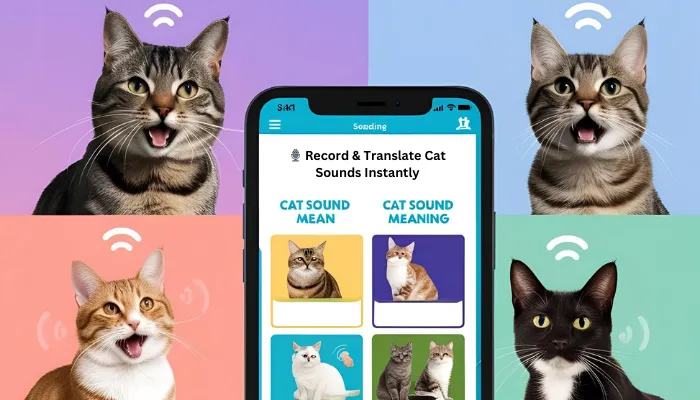
English to Cat Translator: Talk to Your Cat
An English to cat translator is an innovative tool that helps humans recognize what their cat is trying to convey, making interactions between humans and their kitty companions more productive. The process initiates with human speech and ends somewhere at different cat sounds, bridging the gap of communication.
How to Use an English to Cat Translator?
Now, these translators work by first understanding the human speech and trying to convert it to something that closely resembles a natural feline communication. This is how to do it optimally:
- Enter a word or phrase: Add phrases like ‘dinner time’, ‘play’ or ‘good job’ in simple words because they will be the most effective.
- Generate a corresponding sound or signal: The tool will create cat sounds like a meow, chirp, purr or something felt throughout the feline’s body. Some better ones might use visuals, body language, and other complex things.
- Play the sound or show the signal: Give your cat an opportunity to hear the sound and see the cue and watch what they do. Eventually, some cats will respond to sounds in the pre-set manner.
- Reinforce with real life actions: The best results come when the sound is paired with action in real life, like offering food or flower petals when the cat has emerged after the ‘dinner time’ sound.
There are various terms that can be expressed into cat friendly sounds that imitate their natural form of communication:
- “Dinner time” → A can opening noise or the sound of high-pitched meow, which indicated food is available.
- “Play” → A sound depicting the excitement of hunting a toy or a chirp.
- “Good job” → The action of softly purring which comforts ensures and comforts your feline friend.
- “Come here” → An inviting short trill sound like that of a cat inviting its kittens.
- “I love you” → Soft affectionate meowing paired with a slow blink.
Why Use an English to Cat Translator?
- Enhances communication: Aids in expressing the intentions of the owners, in a manner that comes naturally to cats.
- Strengthens the bond: Facilitates trust between humans and cats, which leads to meaningful interactions.
- Encourages positive behavior: Allows the reinforcement of commands and routines with familiar noises like signals.
While no tools currently exist that translate human language to that of cats speech, the english to cat translator has the potential to be a very fun and helpful tool for enhance communication and the bond you have with your pet.
Cat Meow Translator: Understanding Your Cat’s Meows
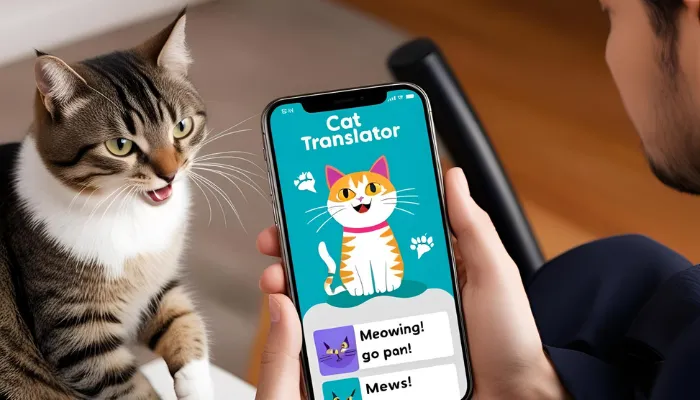
A cat meow translator is a tool devised to interpret the cat sounds made by a cat in a way that cat parents would understand their feline’s needs. Since different cats have their own distinctive way of meowing, understanding what they mean is not easy without assistance. You can explore various types of cat sounds to learn more about what your cat might be trying to communicate and how to respond effectively.
Common Types of Meows and Their Meanings:
| Meow Type | Possible Meaning |
|---|---|
| Short, high-pitched | Greeting or request for attention |
| Long, low-pitched | Demand for food or attention |
| Repeated meows | Excitement or urgency |
| Soft, quiet meows | Contentment or a gentle request |
How a Cat Meow Translator Can Help?
A cat translator is a device that allows pet cat owners to communicate with their cats without difficulty. Specifically, it does so by:
- Identifying emotional states: They are capable of identifying anger, excitement, or fear.
- Improving communication: The device enables owners to offer their cats things that will fulfill their interests.
- Strengthening the bond: A stronger connection is made by creating mutual understanding.
- Tracking vocalization patterns: Certain tools help to recognize behavioral changes with time monitoring.
Even though a cat meow translator may not be completely accurate, it makes it easier to understand and take care of your feline friend.
How to Speak Cat Translator: Tips for Effective Communication
Learning how to speak cat translator can be incredibly fulfilling. While understanding cat language is helpful, there are also practical tips you can incorporate to enhance communication with your feline friend.
Tips for Speaking Cat:
- Pay Attention to Body Language: Follow your cat’s tail, ears, and posture to see what mood they are in.
- Mimic Their Sounds: Attempt to align with your cat’s meows or purrs to connect.
- Use Consistent Signals: Incorporate common sounds or movements for feeding times or playtime in your routine.
- Be Patient: Building an understanding takes time, so remain calm if you do not get the response you are looking for.
Combining Technology with Traditional Methods:
The cat translator may assist in refining the interpretation of different cat sounds, but it must always go with a natural way of communicating.
- Watch and Learn: Observe what your cat does when he or she hears some ”different” sounds or sees new actions.
- Use the Device As A Supplement: Use the device to aid your understanding, instead of it being the primary form of interaction.
- Establish Trust Through Relationship: Play, gentle touch, slow blink techniques, and other forms of light petting helps your cat trust you more.
The mixed approaches of a cat translator and “traditional” methods help to facilitate effective communication using technology, waiting, and observation. Without a cat translator, understanding your kitty could be challenging, but with some help, you would be able to cement greater and more reliable bonds.
Science Behind Cat Communication
Cats use meowing as a primary way to communicate with humans, though they rarely meow at each other in the wild. This unique vocalization has evolved primarily as a way for domesticated cats to get attention, express needs, or convey emotions to their human companions. If you’re curious about the different types of cat sounds and their meanings, exploring expert research can provide deeper insights into feline communication. But why do cats meow, and what does science say about their vocal behavior?
1. Communication with Humans
Cats earn an advanced degree in ‘talking’ to humans unlike other animals. Studies suggest that adult felines do not meow in the presence of other felines but rather use this for human interaction. Cats employ different tones, pitches, and durations of meows to indicate that they are hungry, affectionate, distressed, or simply want to play.
2. Expressing Needs and Emotions
A cat’s meow can indicate various needs or emotional states.
- Hunger: Cats can use a persistent, high-pitched meow as a way of signaling they want food.
- Greeting: Certain cats meow when their owners come home with a soft tone.
- Attention-seeking: In certain conditions, a cat can also use repeated rhythmic meows to show desire for pets or wanting to play.
- Discomfort / Illness: A sudden burst of meowing coupled with discomfort and pain can lead to a visit to the vet.
3. Breed Differences in Vocalization
Vocalization is more prevalent to certain breeds of cat than others. For instance, Siamese cats are exceptionally known for their persistent meows whereas breeds like British Shorthair are infamously quiet. Breeds are differentiated by the intensity and frequency of their meows.
4. Aging And Cognitive Changes
Changes in cat sound patterns are bound to happen as cats age. Some senior cats can become more vocal due to disorientation, hearing loss, or even dementia. Cats of advanced age will, more often than not, make more sound than younger cats, sometimes because of hyperthyroidism and other medical ailments.
5. Science Of Cat Vocalizations
Some theories state that cats meows are designed to specifically fit humans. Certain investigations show that cats can change the way they meow depending on the attention they need, which enhances their chances of getting their desired attention from a human.
Cats meow for a variety of reasons, primarily to communicate with their human caregivers. Whether they’re asking for food, attention, or expressing distress, their vocalizations are an important part of their behavior. Understanding different cat soundscan help strengthen your bond and ensure their needs are met effectively.
FAQs
Curious about how cat translators work? Here are some frequently asked questions to help you better understand how to communicate with your feline friend.
1. Are cat translator apps accurate?
Many cat translator apps give estimations and not accurate translations as cat communication is intricate and multi-layered.
2. Can a cat translator help with training my cat?
Yes, cat translators can help improve interactions and relations. However, training is best done through consistency and positive reinforcement.
3. Do cats understand human speech?
While they may understand tones and often used phrases, cats do not understand language in the same way humans do.
4. How can I tell if my cat is happy?
Cats who are relaxed and happy will display slow and gentle blinking coupled with soft purring.
5. Can I use a cat translator to talk to my cat?
Certain applications claim to produce cat sounds to communicate with your pet, though the effectiveness differs from one cat to another.
While no cat translator is 100% accurate, these tools and techniques can help you bond with your pet and better understand their needs. Keep experimenting and observing your cat’s reactions to enhance your communication.
Conclusion
The world of cat translators provides innovative methods of interacting with our companions which is very fascinating. These tools are helpful whether you use a human to cat translator, a cat language translator, or a cat translator app. You can better comprehend the emotions your cat feels, and the needs he or she has.
Technology paired with communication techniques can help improve the relationship between you and your furry friend. There is no reason to delay. So, start discovering the world of cat translators and unleash the mysteries of cat communication!